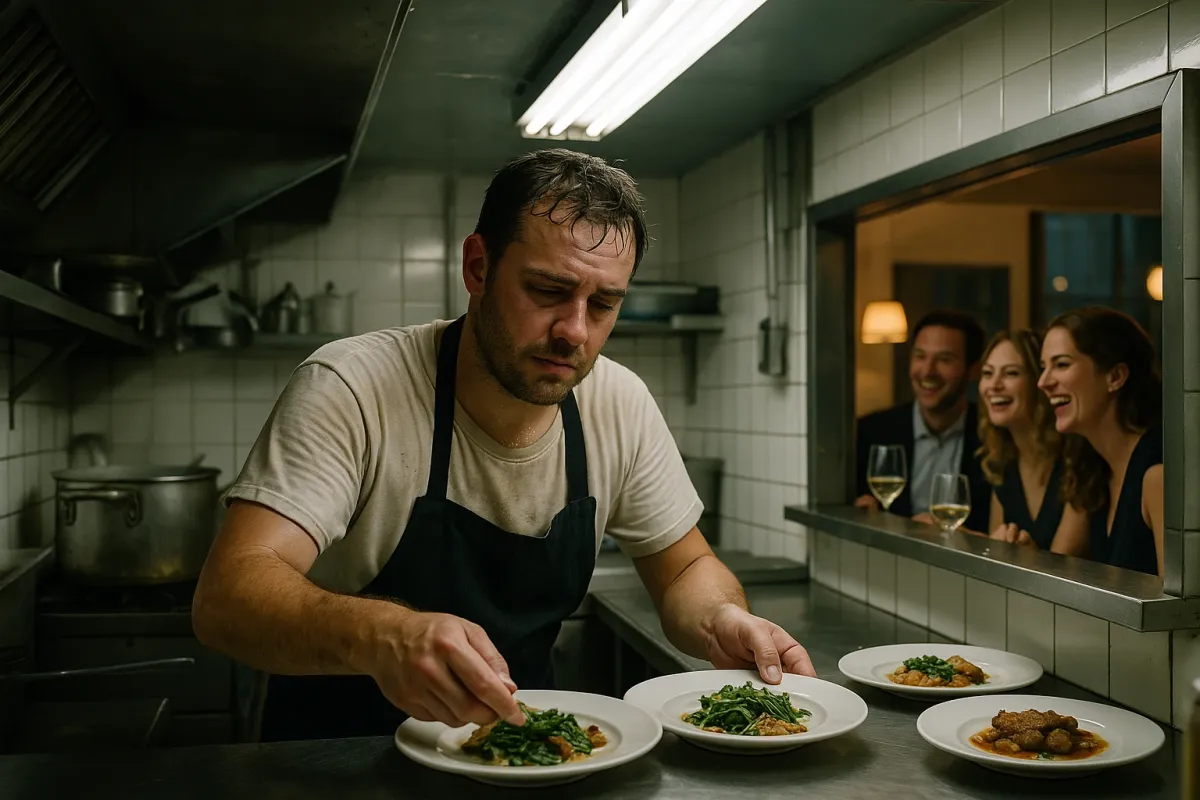
In today’s feeds, the loudest stories are often the most shocking: courtroom scandals, heartbreaking family tragedies, viral “fails” that make us wince and laugh at the same time. But tucked inside those trending headlines, there are quieter stories that speak to something deeper in us—discipline, grit, and the stubborn decision to keep going when no one is clapping.
One of those stories right now is the reality of life in professional kitchens. Articles and memes about chefs—like the ones currently circulating that show what working in a kitchen is really like—are reminding the internet that behind every “perfect” plate on Instagram is a world of burned fingers, 14-hour shifts, and exhausted people who still choose to care. The glamour of food TV hides it, but the truth is simple: kitchens run on pressure, precision, and persistence.
You don’t have to be a chef to learn from that. Whether you’re building a business, raising a family, studying for exams, or quietly starting over, the lessons from those hot, noisy kitchens can fuel your own fight. Here are five quotes, inspired by that world, to carry with you when your life feels like the dinner rush.
“Mastery is just repetition that refused to get bored.”
Behind every beautifully plated dish in a high-pressure kitchen is muscle memory built from thousands of unglamorous repetitions: chopping onions the same way, checking seasoning again and again, firing the same orders night after night. The current wave of chef memes and stories might highlight the chaos and exhaustion, but beneath the jokes lies a truth: the best cooks separate themselves not by talent alone, but by their willingness to do the same thing well, over and over, long after the novelty is gone.
In your own life, the “boring” parts—sending yet another pitch, practicing the same piece of music, rewriting a paragraph, doing another workout—are not a sign that you’re stuck. They’re evidence that you’re building something sturdy enough to last. When you feel tempted to quit because the work isn’t exciting anymore, remember that most excellence is built in boredom. Mastery is the patience to keep your hands moving when your mind wants a shortcut.
“The heat in the room doesn’t define you; how you breathe inside it does.”
Professional kitchens are designed around heat—ovens blasting, stoves roaring, tempers sometimes flaring. The recent articles revealing what it’s really like in those kitchens show cooks working shoulder to shoulder under constant pressure: orders stacking up, timing everything to the second, knowing one mistake can send a whole service into chaos. But the chefs who last aren’t the ones who avoid the heat; they’re the ones who learn how to breathe inside it.
Your version of the “kitchen” might be a demanding job, a tight deadline, a family crisis, or a season where everything hits at once. You may not get to turn down the temperature, but you do get to choose your response: one breath, one next step, one calm decision at a time. Stress doesn’t mean you’re failing—it means you’re alive, stretching, growing. Let the pressure shape your focus, not your identity. You are not your circumstances; you are the way you stand inside them.
“Every ‘yes, chef’ is a whispered promise: I’m still in this.”
In many kitchens, “Yes, chef” isn’t just protocol; it’s a ritual of commitment. When chefs bark orders during the dinner rush—“Table three, fire mains!” “Watch that sauce!”—the team answers in unison, not because they’re blindly obedient, but because that simple phrase keeps everyone anchored to the same mission in the middle of chaos. The memes going around right now about the madness of kitchen life only tell half the story; the other half is about people who keep saying “yes” when it would be easier to walk out the door.
You have your own version of “Yes, chef”: showing up to therapy again, attending another class, going back to the gym after a setback, opening your laptop one more time even though yesterday’s effort fell flat. It’s the quiet, daily affirmation: “I’m still in this. I don’t know how it will turn out, but I’m here.” Progress rarely looks like fireworks; more often, it looks like ordinary people whispering “yes” to hard things until their lives change shape.
“Some of your best work will happen where no one is looking.”
The shows and viral clips usually give us the highlight reel: the flawless dish, the dramatic critique, the triumphant moment when the plate lands on the pass. But the trending conversations about how brutal kitchen work can be are shining a light on the part we don’t see: prep hours before service, cleaning stations long after guests are gone, reworking recipes that never make it to the menu. The public sees the plate; the kitchen remembers the grind.
In your journey, there will be seasons when no one applauds your effort: the nights you study alone, the mornings you write before work, the quiet acts of kindness that don’t go viral, the personal battles you don’t post about. Don’t underestimate those hidden hours. They are not wasted; they are roots, not decorations. Life changes not only when the world notices you, but when you refuse to abandon the work just because the room is empty.
“Respect the burn: the hurt you survive becomes the wisdom you serve.”
Ask any line cook about their hands and they’ll show you a map of burns and scars—evidence of lessons learned the hard way. The current social media spotlight on kitchen life touches on how physically and mentally punishing the industry can be. Those scars are real, and so is the burnout. But for many who stay and grow healthier boundaries, those painful experiences turn into something else: empathy for new staff, better systems, and a deeper respect for their own limits.
You carry your own scars: jobs that broke you down, relationships that shattered you, risks that failed. It’s tempting to wish those chapters away, but they’ve taught you things success never could—what you value, what you’ll no longer tolerate, what matters enough to fight for. Respect the burn by honoring what it taught you. Let your past pain become present wisdom: not a reason to harden your heart, but a reason to move more gently, more bravely, and more intentionally through the world.
Conclusion
Right now, timelines are crowded with dramatic headlines—celebrity transformations, court cases, chilling 911 calls, shocking crime stories, and behind-the-scenes peeks into high-stress worlds like professional kitchens. It’s easy to scroll past them as entertainment. But if you look closer at the stories of cooks and chefs working through noise, heat, and exhaustion, you’ll see something familiar: people who keep showing up for demanding work, often without applause, because somewhere inside they decided it mattered.
You don’t need a chef’s jacket to live that way. Your life has its own version of the dinner rush, the endless prep, the hidden scars. Let those realities remind you of this: repetition can become mastery, pressure can sharpen your courage, quiet “yes” moments can rebuild your life, unseen effort can transform your future, and the burns you’ve survived can turn into the wisdom you offer others.
The kitchen may belong to them, but the grit behind it can belong to you.
Key Takeaway
The most important thing to remember from this article is that this information can change how you think about Motivational.